
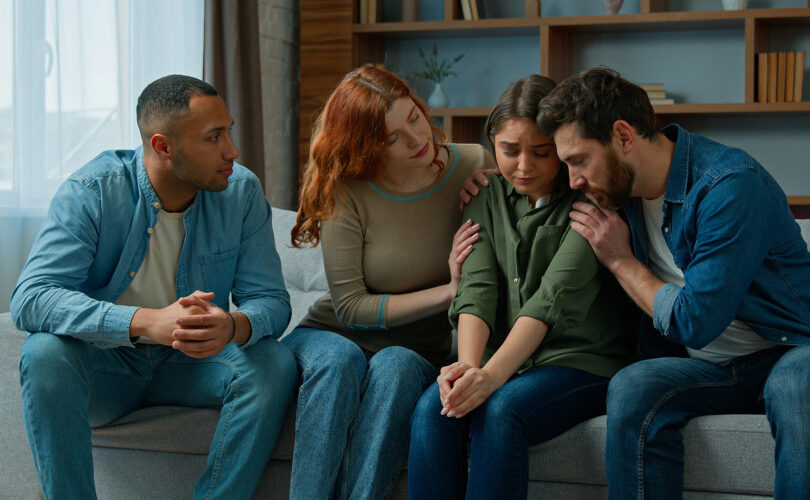
Families dealing with addiction often say the same thing, we just want peace. The strange part is that when peace finally shows up, many of those families do not know what to do with it. They become restless. They start scanning for the next problem. They poke at old wounds. They trigger fights over small things. They start feeling uncomfortable when life is calm. Then, when chaos returns, everyone knows their role again.
This is not because families are bad people. It is because addiction trains households. It trains everyone to live in crisis mode, and crisis mode becomes familiar. Familiar can feel safer than calm, even when familiar is destructive. This is what nobody names, the family can become addicted to crisis in the same way an individual becomes addicted to substances. Not because the family wants pain, but because the nervous system adapts to it.
This topic strikes a nerve because it forces a brutal question, what happens when the addicted person stops using, but the household continues running on the old patterns. That is where many recoveries fail, not because the person did not try, but because the environment stayed addicted to the cycle.
What “addicted to crisis” actually means
Crisis addiction in a family is not a diagnosis. It is a pattern. It is when the household becomes organised around emergencies, drama, and constant reaction. In these homes, calm feels unnatural. People do not trust it. They assume it will not last. They feel suspicious when someone is doing well. They interpret quiet as danger. They stay tense even when nothing is happening, because their nervous system has learned that something always happens next.
This is what chronic stress does. The body gets used to adrenaline. It becomes alert by default. It scans for threats. It reacts quickly and strongly. After years of addiction related chaos, the family becomes conditioned. Even when the substance use stops, the stress pattern can continue.
This is why some families feel like rehab failed when the addicted person comes home and everything falls apart again. Sometimes it is not relapse that breaks the home. It is the household’s inability to shift out of survival mode.
How addiction trains the household into roles
In addiction homes, people get roles, and those roles become identity. One person becomes the rescuer. They manage everything. They cover mistakes. They smooth conflict. They pick up the pieces. They do the admin, the phone calls, the excuses. Their identity becomes being the responsible one.
Another becomes the enforcer. They shout, threaten, and push. They become the “bad guy” who says what everyone else is thinking. They may feel guilty afterwards, but their role is to bring consequences. Another becomes the peacekeeper. They try to keep everyone calm. They avoid conflict. They mediate. They apologise for everyone. They become emotionally exhausted because they are constantly managing other people’s moods.
Children often become either invisible or hyper responsible. Some disappear into their rooms and detach. Some become adult too early, caring for siblings, reading moods, and trying to hold the household together.
These roles are functional during chaos. They keep the family moving. The problem is that roles do not disappear when recovery begins. People keep playing them because it is all they know. The rescuer keeps rescuing. The enforcer keeps attacking. The peacekeeper keeps walking on eggshells. The kids stay anxious. The home remains tense, even with sobriety.
Why calm can feel threatening after years of chaos
Many people do not realise how uncomfortable calm can be when you have lived in chaos for years. Calm means there is space to feel things. Grief, anger, betrayal, shame, disappointment, and fear. During active addiction, there is no time to feel. You are always reacting to the next crisis. Calm removes distraction, and suddenly the emotional debt shows up.
Calm also removes purpose. Many family members have built their whole life around managing the addicted person. When the addicted person enters treatment, those family members can feel lost. They do not know who they are without the chaos. That can lead to unconscious sabotage, not because they want relapse, but because they do not know how to live in a normal rhythm.
Some families also mistrust recovery. They have been promised change too many times. So when the addicted person is doing well, the family waits for the catch. They interrogate. They accuse. They monitor. They test. The addicted person feels trapped, shamed, and watched, which increases stress and can increase relapse risk. The family calls it caution. The addicted person experiences it as punishment.
The chaos cycle
Crisis addicted families often repeat a cycle, even when substances are no longer the driver. Tension builds. People become irritable. Everyone senses something is coming. A small event triggers a blow up, a comment, a missed call, a tone, a late arrival, a forgotten chore. The blow up releases tension. People scream, cry, threaten, or withdraw. Then there is an apology phase where everyone says they will do better. The house becomes calm again for a short period. Then tension builds again.
This pattern becomes the household’s emotional regulator. It is unhealthy, but it is familiar. It gives the family an outlet for stress. It also keeps people distracted from deeper issues, like trauma, resentment, and broken trust.
In many homes, the addicted person becomes the scapegoat for the whole family’s pain. Even when they are sober, the family continues to use them as the focal point for all conflict. This keeps the family from confronting other problems in the household, and it keeps the addicted person stuck in shame.
How crisis addiction sabotages recovery
Recovery requires routine, stability, and predictable environments. Crisis addicted homes are the opposite. They are emotionally unsafe. They are unpredictable. They keep stress levels high. They keep conflict simmering. They turn small mistakes into big drama. They treat growth like a performance test.
An addicted person trying to rebuild their life needs space to practise new behaviours. They will not be perfect. They will be emotionally raw. They will have cravings. They will have bad days. In a crisis addicted home, a bad day becomes a catastrophe. A slip in mood becomes an interrogation. A mistake becomes proof that nothing has changed. That pressure can push a person into relapse, not because they do not want recovery, but because the environment feels unbearable. Families then say, see, rehab didn’t work. In reality, the household stayed in the same emotional system that existed during active addiction.
The nerve to hit on social media
This is the line that will spark the most comments, some families miss the chaos because it gave them purpose. They do not miss the pain. They do not miss the fear. They miss the certainty of roles, the familiar adrenaline, the predictable drama. Calm forces people to face themselves, and facing yourself is harder than fighting with someone else.
Naming this does not mean blaming families. It means giving families a real chance to change. If the family system does not change, relapse becomes more likely, because the recovering person returns to the same emotional environment that helped drive the addiction in the first place.
The goal of recovery is not only sobriety. The goal is a different life. That requires the whole household to stop being organised around crisis and start being organised around stability, accountability, and emotional safety. When that happens, the person in recovery has a real chance, and the family finally gets what they have been saying they wanted all along, peace that is not just the pause between explosions.